

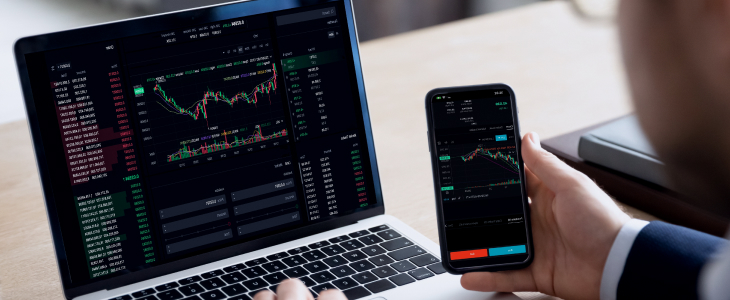
In the world of Forex trading, understanding the market dynamics and honing your trading skills are critical for long-term success. One of the most effective tools to achieve this is using a Forex trading simulator. A simulator provides a virtual trading environment where you can practice and strategize without risking your capital. As you delve deeper into the nuances of Forex trading, consider exploring forex trading simulator Trading Brokers in Turkey, which can offer valuable insights into local trading conditions and brokers.
A Forex trading simulator mimics real market conditions, allowing you to execute trades just as you would in a live environment. These simulators often come equipped with historical data, charts, technical indicators, and other tools that can help you refine your strategies. They are ideal for both beginners who are learning the ropes and experienced traders looking to test new strategies without the fear of losing real money.
Why Use a Forex Trading Simulator?
There are several compelling reasons to utilize a Forex trading simulator:
- Risk-Free Environment: The primary benefit is the ability to practice trading without risking your capital. You can test strategies, learn from mistakes, and build confidence.
- Realistic Trading Conditions: Simulators replicate real market conditions with live pricing, enabling you to understand how the market reacts to various events.
- Ability to Test Strategies: Before applying a strategy in live trading, you can test it in a simulated environment to see how it performs under different market conditions.
- Learning Tool: For beginners, a simulator is an excellent educational tool, helping to understand market terminology and the mechanics of trading.
- Emotional Preparedness: Trading can be emotionally taxing. Using a simulator can help you develop the psychological resilience required for real market trading.
How to Choose the Right Forex Trading Simulator
When selecting a Forex trading simulator, several factors should be considered to ensure it meets your needs effectively:
- Realism: The simulator should closely replicate real trading environments, including aspects like market volatility, execution speed, and various order types.
- Features: Look for simulators that offer a robust set of tools such as technical indicators, fundamental analysis resources, and news feeds.
- User Interface: An intuitive interface will help you navigate the simulator more easily, allowing you to focus on learning rather than struggling with the platform.
- Availability of Historical Data: Access to a broad range of historical data can help you test strategies against previous market conditions.
- Support and Community: A simulator with active customer support and a community forum can be beneficial for additional learning and troubleshooting.
Popular Forex Trading Simulators
There are several popular Forex trading simulators available today. Here are a few to consider:
- MetaTrader 4/5: These platforms are well-known in the trading community and feature integrated demo accounts that allow traders to simulate trading with real market conditions.
- NinjaTrader: This platform provides advanced analytical tools, including charting and strategy testing capabilities, which are perfect for serious traders.
- TradingView: A popular choice among traders for its social trading aspect, TradingView offers paper trading capabilities that enable you to test your strategies live.
- Thinkorswim by TD Ameritrade: This platform offers a demo account with paper trading options, providing a full suite of trading tools.
- Forex Tester: A dedicated Forex testing software that allows for backtesting trading strategies with historical data.
How to Get Started with a Forex Trading Simulator
Starting with a Forex trading simulator is a straightforward process. Follow these steps to set yourself up for success:
- Choose and Download a Simulator: Select a simulator based on the features you need and create an account.
- Familiarize Yourself with the Platform: Take the time to explore the interface, tools, and features available on the platform.
- Start with a Trading Plan: Before you begin trading, create a trading plan that outlines your goals, strategies, and risk management rules.
- Begin Trading: Start placing trades based on your strategy, and keep track of your performance.
- Review and Adjust: After a trading session, review your trades, analyze what worked and what didn’t, and adjust your strategy accordingly.
Conclusion
A Forex trading simulator can significantly enhance your trading skills and knowledge, enabling you to enter the market with confidence. Whether you’re a newcomer learning the basics or an experienced trader looking to test new strategies, a simulator provides a safe and effective way to refine your trading abilities. Keep in mind that while simulators offer a valuable resource, they cannot perfectly replicate the emotional highs and lows of live trading. Therefore, transitioning to live trading should be done gradually, allowing yourself to adapt to the psychological aspects of trading. With careful practice and dedication, you can maximize your chances of success in the Forex market.